



Sustainable Events
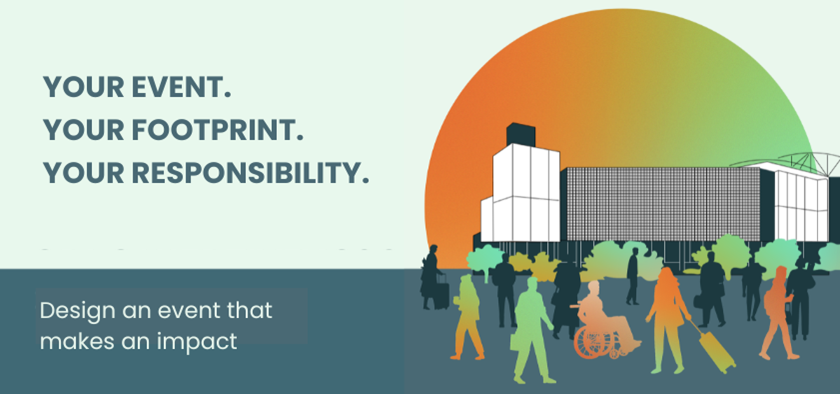
We have prepared a unique set of guidelines and implementation recommendations especially for our clients and partners.
As a company, we feel a deep responsibility for the direction in which the meetings and events industry is evolving. We understand that modern business requires more than just efficient logistics—it requires modern management standards.
Today, a conference is not assessed solely on the basis of attendance figures or customer satisfaction, even though these factors directly contribute to a project's financial performance. The true measure of an organizer’s maturity, awareness, and responsibility lies in the legacy an event leaves behind after it concludesfor participants, partners, the host city, and the wider community.
In response to these challenges, we propose a structured framework that consolidates and organizes the most effective market practices. A strategy for creating lasting impact serves as a proven guide to transforming a single event into sustainable relational, educational, and social capital. This approach directly contributes to higher attendance, greater participant satisfaction, and stronger financial performance in future editions.
Our compendium brings together the most effective practices that combine operational excellence with ESG responsibility—without compromising business efficiency.
Do you know what remains after your event when the lights go down and the stage falls silent?

What will you find inside?
A comprehensive analysis of six key project areas:
- Strategy & Roadmap: A six-step framework for embedding long-term objectives throughout the project lifecycle—from initial assessment and priority setting to consolidating outcomes and lasting impact.
- Sustainability by Design: How can responsibility and sustainability be incorporated from the very first briefing stage?
- Supply Chain Management: Practical guidance on participant mobility, circular economy principles, and inclusivity.
- Future Technologies: Leveraging data and hybrid event formats to expand reach and engagement.
- Impact Measurement & Reporting: Proven methods for collecting quantitative and qualitative data before, during, and after an event.
- Ready-to-Use Frameworks: An organizer’s checklist and a model final report template to support implementation and evaluation.

The Four Pillars of Your Event’s Impact
Build lasting conference value across every dimension:
- Economic Impact: Creating tangible benefits for the local economy while managing budgets efficiently and responsibly.
- Social Impact: Promoting accessibility, education, and meaningful partnerships with local communities to strengthen brand credibility and reputation.
- Environmental Impact: Practical tools and strategies for reducing emissions and waste—without greenwashing.
- Organizational Impact: Facilitating knowledge transfer within teams and establishing higher standards of operational excellence.

Organizer’s Toolkit
You receive a collection of ready-to-implement templates designed for everyday use. Step by step, they guide your team through the logistics, communication, and impact measurement processes of a sustainable event. The toolkit includes three key components:
- Interactive Checklist: Nine critical control areas—from defining objectives and success criteria to post-event follow-up and evaluation.
- Model Report Template: A ready-to-use reporting framework covering environmental, social, and economic outcomes, which can be completed with event-specific data.
- Editorial Framework: A practical guide to creating professional operational reports that will impress partners, stakeholders, and sponsors.
Who Is This Publication For?
-
Conference Managers seeking measurable competitive advantages and proven frameworks for improving operational efficiency and optimizing event delivery.
-
Event Agencies for whom ESG reporting and sustainability standards are becoming essential requirements in RFPs, tenders, and client procurement processes.
-
Project Owners and Marketing Directors who want their brands to be associated with genuine responsibility, long-term value creation, and meaningful impact—not merely with a logo displayed on a sponsorship backdrop.

Rethink the way you approach event programming, logistics, and communication. Download the guide and start designing impact with intention—impact that helps build the future of your business.
Join 500+ professionals who are already using these standards to create more responsible, effective, and future-focused events.